Biography
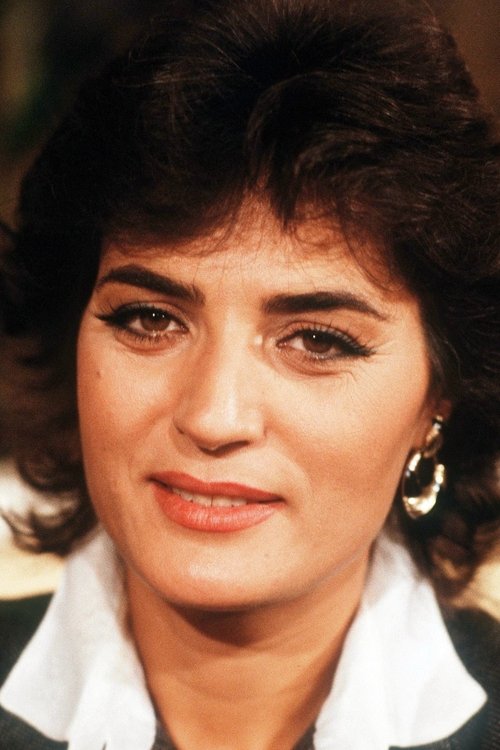
Teolinda Joaquina de Sousa Lança ( 22 February 1948 – 28 December 2022), better known as Linda de Suza, was a Portuguese Lusophone and Francophone singer and best-selling author. She was described by Portuguese President Marcelo Rebelo de Sousa as "a French icon of Portuguese migration". Linda de Suza was born in Beringel, Beja (Alentejo), in southern Portugal. Suza left her homeland for France in the 1970s and started to work in menial jobs. In the late 1970s, she managed to record music albums. Her works such as Tiroli-Torola, La fille qui pleurait, Un Enfant peut faire le monde, and L'Étrangère drew a large audience in France. She topped her success with her performance at Paris Olympia. Linda de Suza sang fado, folk, ballads and popular songs in both French and Portuguese and was nicknamed "Amália of France" after Amália Rodrigues, to whom she paid tribute in her song "Amália". Amália Rodrigues, known as "Rainha do Fado" ("Queen of Fado") paved the way for Linda de Suza, Tonicha, Lenita Gentil, Cândida Branca Flor, Dulce Pontes, Mariza and Mísia, among other well known Portuguese and Portuguese-descended singers. In 1984, Linda de Suza published her autobiography La Valise …
Movies & TV Shows
-
 The Black Ball (2015) — Luisa Ferreira
-
 Champs-Elysées (1982) — Self
-
 Vivement dimanche (1998) — Self
-
 Sacrée soirée (1987) — Self
-
 On n'est pas couché (2006) — Self - Guest
-
 Victoires de la musique (1985) — Self
-
 La Chance aux chansons (1984) — Self
-
 Midi Première (1975) — Self
-
 Numéro un (1975) — Self
-
 Fan School (1977) — Self
-
 Mosaïque (1976) — Self
-
 Parabéns (1992) — Self
-
 Les Rendez-vous du dimanche (1975) — Self
-
 Les Jeux de 20 heures (1976) — Self
-
 Le monde est à vous (1987) — Self
-
 Aujourd'hui la vie (1982) — Self (as Linda de Suza)