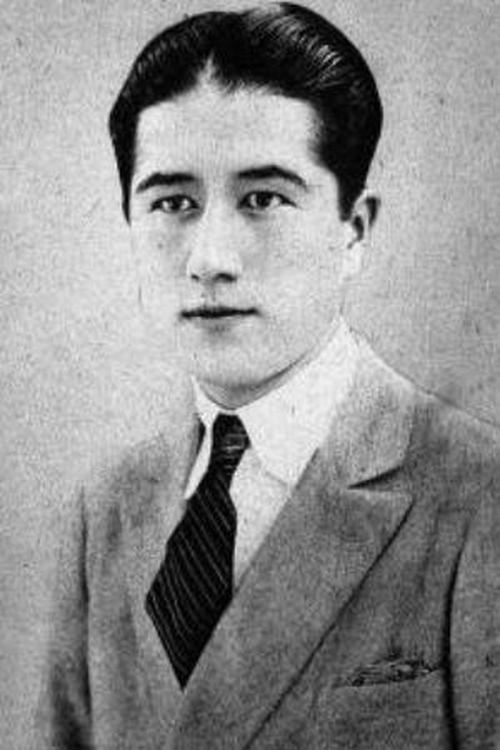
Biography
Sōzō Okada (岡田 桑三), widely recognized by his acting pseudonym Hikaru Yamanouchi (山内光), was a Japanese actor and producer who played a significant role in both the performing and visual arts of Japan. Born on June 15, 1903, his early life was distinctly shaped by extensive international travel during the 1920s and 1930s, aided by his English ancestry through his grandfather. He initially aspired to be a painter and studied in Germany from 1920 to 1923. Upon returning to Japan, he integrated into the Shochiku studio and began a successful cinematic career under the stage name Hikaru Yamanouchi. Displaying great versatility, he became a highly prolific actor, appearing in nearly 80 films between 1926 and 1940. During this era, he starred in notable productions such as Reijin (1930), Nihon josei no uta (1934), Street Without End (1934), Kajuen no onna (1935), and Courant chaud (1939). Despite his commercial success on screen, Okada maintained a profound interest in the European avant-garde and visual experimentation. In 1929, he traveled to Moscow to study avant-garde cinema, where he met director Sergei Eisenstein and was deeply marked by Soviet photojournalism and Russian constructi…
Movies & TV Shows
-
 Street Without End (1934) — Hiroshi Yamanouchi
-
 The Lights of Asakusa (1937) — Arakawa
-
 ABC Lifeline (1931)
-
 Okoto and Sasuke (1935)
-
 Warm Current (1939)
-
 Lovers' Duet (1939) — Literary faculty member
-
 The New Road: Akemi (1936)
-
 The New Road: Ryota (1936)
-
 Housewife Camellia (1936)
-
 The Most Beautiful Day of My Life (1948)
-
 Osayo Koi Sugata (1934) — Ryoichi Uchida
- Reijin (1930) — Kosaka
-
 Passion (1932) — Michiro, Tokiko's brother
- Tengoku ni musubu koi (1932)
- A Smiling Life (1930)
-
 Record of Love and Desire (1930)
- My Brother's a Fool (1932)
- Mother of the East (1934) — Naito
-
 Hotaru no hikari (1938)
-
 Mother's Love Letter (1935)
- A Mermaid on Land (1926)
-
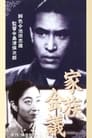 Family Meeting (1936) — Clerk B
- Scenes of Love (1929) — Young man
-
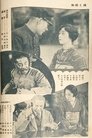 The Glory of the Shōwa Era (1928) — Masaru (Son, As an Adult)
- The Model of New Women (1929)
- Song of Youth (1930) — Shiro Kuroki
-
 Youth, Why Do You Cry? (1930) — Shuzo Katori
-
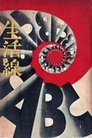 ABC Lifeline: Fujieda Chapter (1931)
-
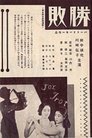 Victory or Defeat (1932)