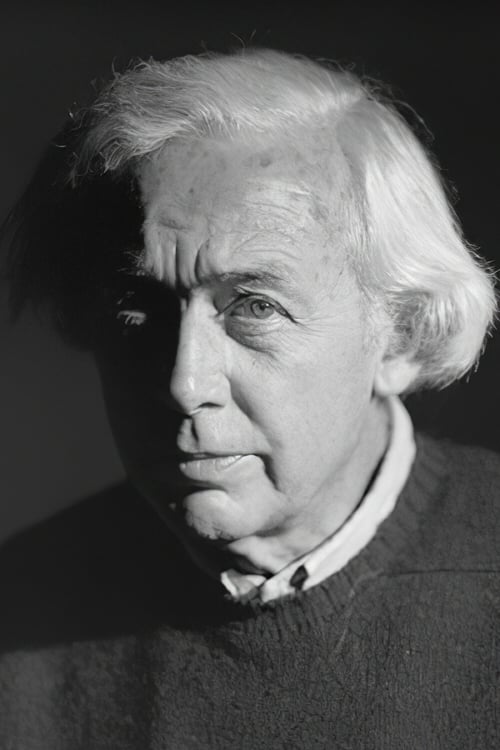
Biography
Robert Bresson (French: [ʁɔbɛʁ bʁɛsɔ̃]; 25 September 1901 – 18 December 1999) was a French filmmaker. Known for his ascetic approach, Bresson made a notable contribution to the art of cinema; his non-professional actors, ellipses, and sparse use of scoring have led his works to be regarded as preeminent examples of minimalist film. Much of his work is known for being tragic in story and nature. Bresson is among the most highly regarded filmmakers of all time. He has the highest number of films (seven) that made the 2012 Sight and Sound critics' poll of the Greatest Films of All Time. His works A Man Escaped (1956), Pickpocket (1959) and Au hasard Balthazar (1966) were ranked among the top 100, and other films like Mouchette (1967) and L'Argent (1983) also received many votes. Jean-Luc Godard once wrote, "He is the French cinema, as Dostoevsky is the Russian novel and Mozart is German music." Description above from the Wikipedia article Robert Bresson, licensed under CC-BY-SA, full list of contributors on Wikipedia.
Directed
-
 A Man Escaped (1956) — Director
-
 Pickpocket (1959) — Director
-
 Au Hasard Balthazar (1966) — Director
-
 L'Argent (1983) — Director
-
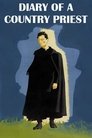 Diary of a Country Priest (1951) — Director
-
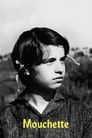 Mouchette (1967) — Director
-
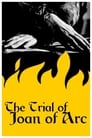 The Trial of Joan of Arc (1963) — Director
-
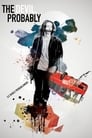 The Devil, Probably (1977) — Director
-
 Les Dames du bois de Boulogne (1945) — Director
-
 Lancelot of the Lake (1974) — Director
-
 Four Nights of a Dreamer (1972) — Director
-
 A Gentle Woman (1969) — Director
-
 Angels of Sin (1943) — Director
- Les Affaires publiques (1934) — Director
Also appeared in
-
 What Is Cinema? (2013) — Self
-
 The Road to Bresson (1984) — Self
-
 Au Hasard Bresson (1967) — Self
-
 Cinépanorama (1956) — Self
-
 Bresson: Without a Trace (1965) — Self - Interviewee
-
 Morceaux de Cannes (2021)
-
 Un metteur en ordre: Robert Bresson (1966) — Self
- Festivals 66 Cinéma 67 (1967) — Self
-
 Mag Bodard, un destin (2005) — Self (archive footage)
-
 Pour le plaisir (1964) — Self